Aventurine: The Sparkling Quartz Gem of Opportunity
| Property | Details |
|---|---|
| Mineral Family | Quartz |
| Chemical Formula | SiO₂ (silicon dioxide) |
| Typical Colours | Green, blue, red, orange, peach, yellow |
| Hardness (Mohs) | 6.5–7 |
| Lustre | Vitreous with aventurescence |
| Transparency | Translucent to opaque |
| Special Feature | Aventurescence (natural glitter caused by tiny mineral inclusions) |
| Main Sources | India, Brazil, Russia, China, Tanzania, Zimbabwe, Austria, Madagascar |
| Associated Zodiac Signs | Aries, Taurus, Libra |
| Traditionally Associated With | Optimism, emotional balance, confidence, new beginnings |
Hold a piece of aventurine up to the light and slowly turn it in your hand, and you’ll notice thousands of tiny flashes shimmering beneath its surface. Unlike many gemstones, its beauty doesn’t come from perfect clarity, but from countless microscopic mineral flakes that catch the light like sunlight dancing across a gentle stream. This remarkable sparkle has fascinated people for centuries and makes aventurine one of the most distinctive members of the quartz family.
Where Aventurine Is Found
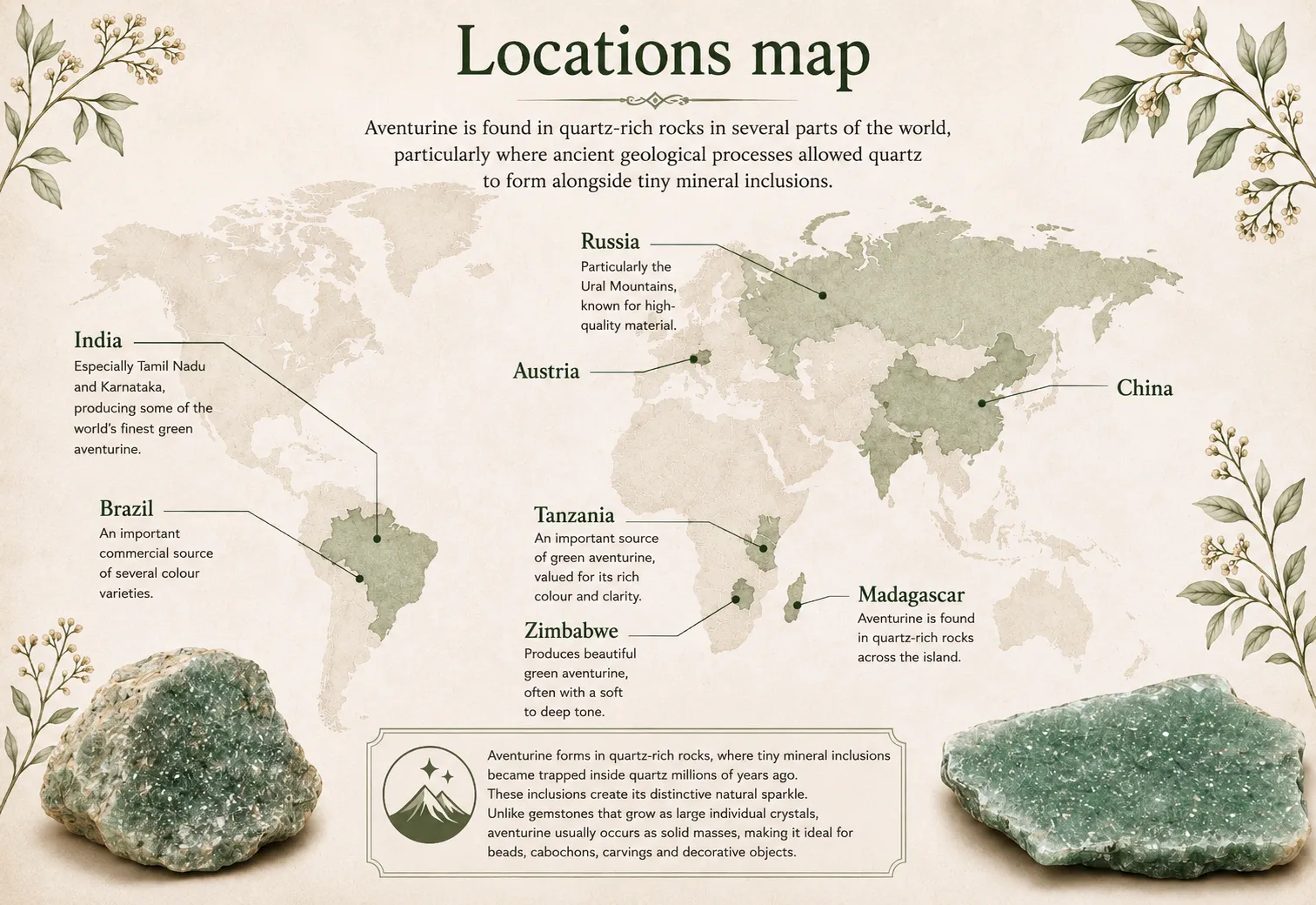
Aventurine is found in quartz-rich rocks in several parts of the world, particularly where ancient geological processes allowed quartz to form alongside tiny mineral inclusions.
Some of the most important sources include:
- India — especially Tamil Nadu and Karnataka, producing some of the world’s finest green aventurine
- Brazil — an important commercial source of several colour varieties
- Russia — particularly the Ural Mountains, known for high-quality material
- China
- Tanzania
- Zimbabwe
- Austria
- Madagascar
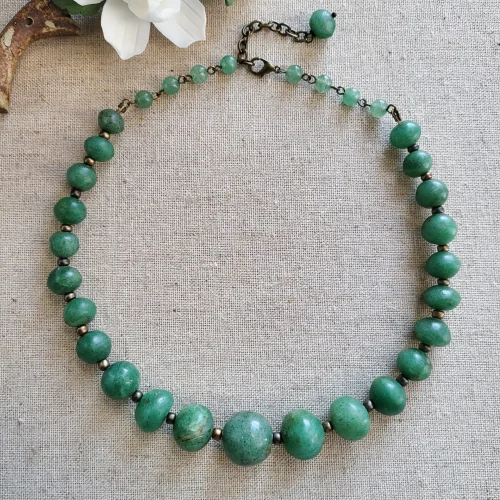
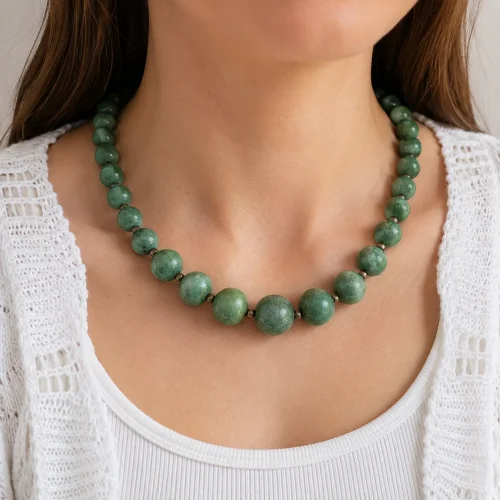
Unlike gemstones that grow as large individual crystals, aventurine usually occurs as solid masses, making it ideal for beads, cabochons, carvings and decorative objects.
History of Aventurine
No one knows exactly when people first discovered aventurine. As a durable variety of quartz, it has almost certainly been collected and worked since prehistoric times.
Its modern name has an unusual story. In 18th-century Murano, near Venice, glassmakers accidentally created a sparkling glass by allowing tiny copper crystals to form inside molten glass. The Italians called it vetro avventurina — “glass by chance”. When mineralogists later recognised a natural quartz with a similar glittering appearance, they borrowed the name for the stone.
Although the name is relatively recent, aventurine itself has been used for centuries in jewellery, carvings and ornamental objects across many cultures.

Formation of Aventurine
Aventurine begins as quartz forming deep within the Earth’s crust, often in metamorphic rocks or hydrothermal veins. As the quartz slowly grows, tiny minerals become trapped inside it.
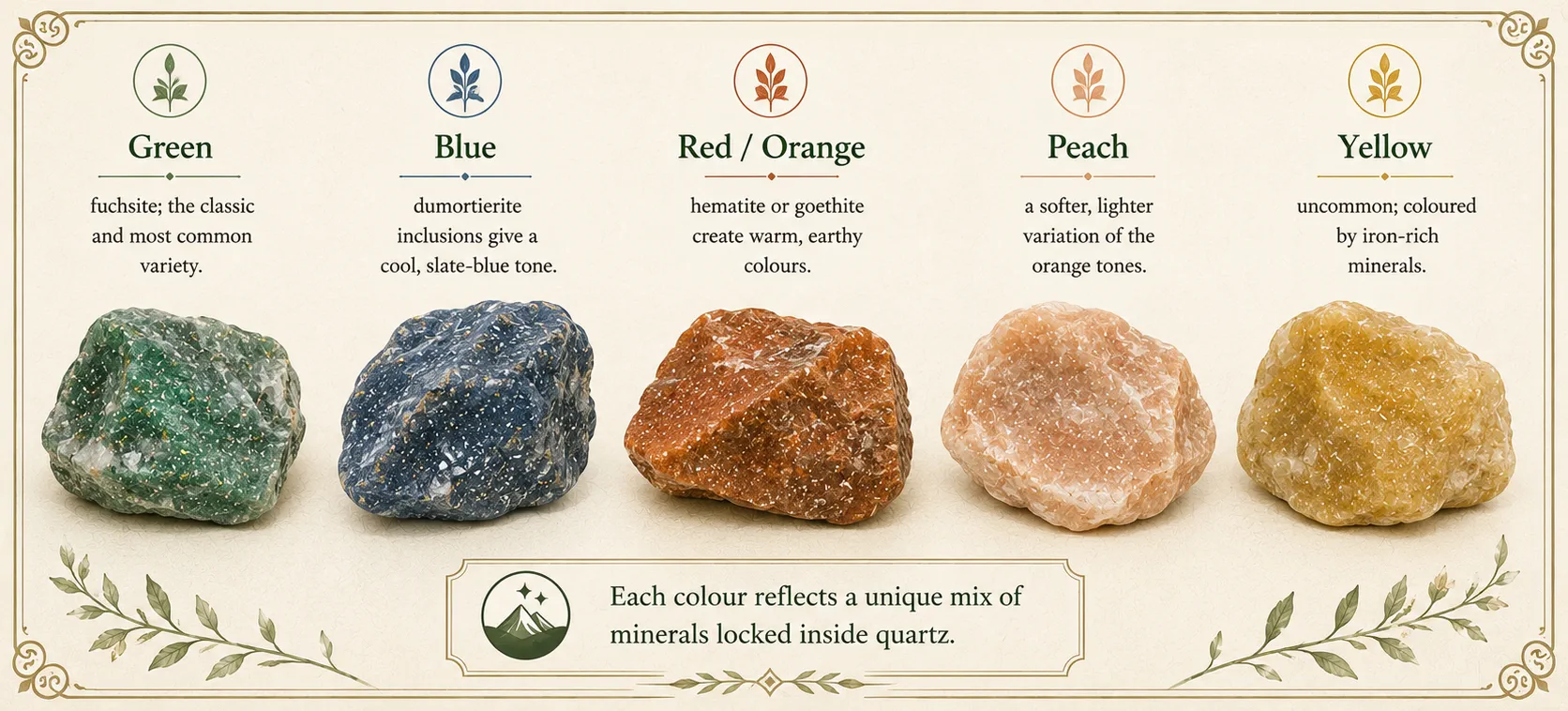
In green aventurine these inclusions are usually fuchsite, a chromium-rich mica. Red and orange varieties typically contain hematite or goethite, while blue aventurine owes its colour to dumortierite.
These tiny flat minerals reflect light in many directions, producing the shimmering effect known as aventurescence — the feature that makes aventurine instantly recognisable.
Nature created this effect over millions of years, one microscopic mineral flake at a time.

Varieties of Aventurine
Although green is the best-known variety, aventurine occurs in several beautiful colours.
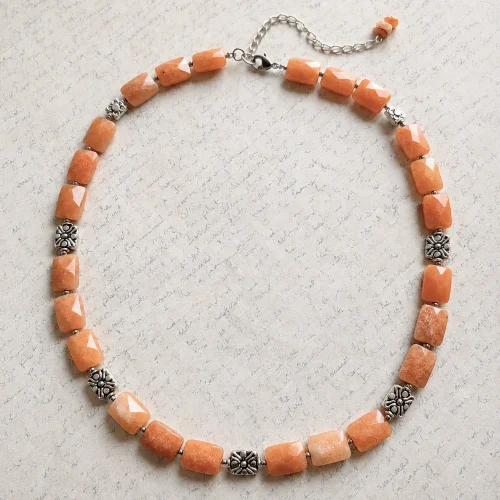
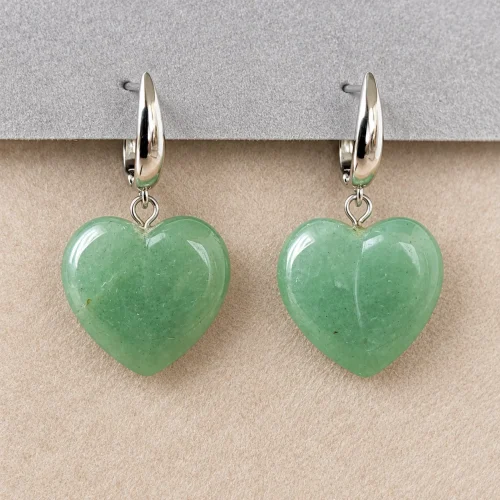
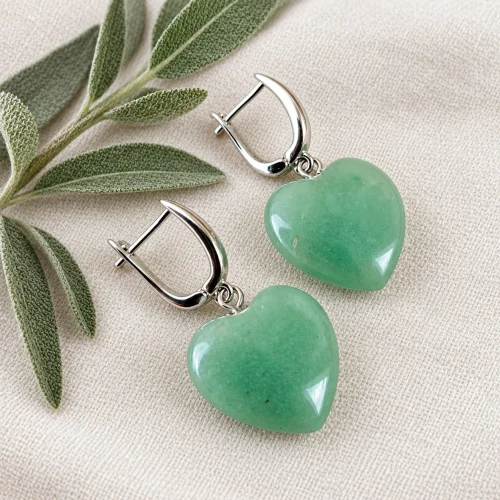
- Green — coloured by fuchsite and the most common variety
- Blue — coloured by dumortierite inclusions
- Red and orange — coloured by hematite or goethite
- Peach — a softer variation of the orange varieties
- Yellow — an uncommon variety containing other iron-rich minerals
Each colour reflects a different combination of minerals locked inside the quartz during its formation.
Did You Know?
The sparkling effect that makes aventurine famous has its own scientific name: aventurescence. It is caused by thousands of microscopic mineral flakes reflecting light inside the stone. Every piece contains a unique pattern of inclusions, meaning no two pieces of aventurine shimmer in exactly the same way.
Aventurine in Folklore and Symbolism
Long before geology explained its sparkle, many cultures regarded aventurine as a stone of luck, prosperity and new beginnings.
Its association with opportunity may have been strengthened by its name, which comes from the Italian word for “by chance”. Travellers, merchants and gamblers have all been said to carry aventurine as a good-luck charm.
These traditions form part of the stone’s cultural history rather than scientific evidence.

Healing and Meditation Practices
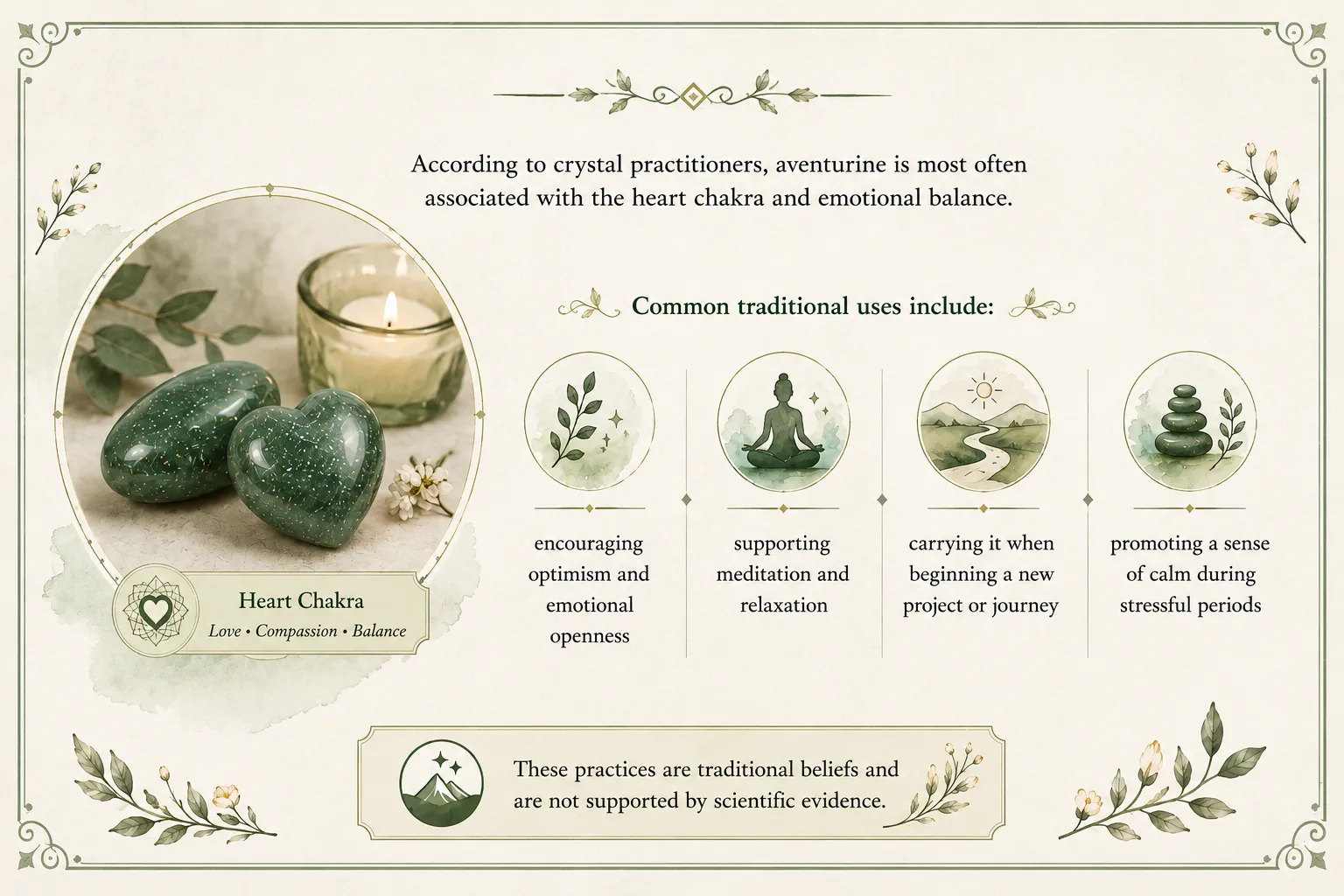
According to crystal practitioners, aventurine is most often associated with the heart chakra and emotional balance.
Common traditional uses include:
- encouraging optimism and emotional openness
- supporting meditation and relaxation
- carrying it when beginning a new project or journey
- promoting a sense of calm during stressful periods
(Note: these are traditional folk beliefs and metaphysical claims, not scientifically established properties.)
Aventurine in Astrology
Aventurine is most commonly associated with:
- Aries — traditionally linked with confidence and new opportunities
- Taurus — associated with balance, abundance and stability
- Libra — connected with harmony and relationships
Different traditions may associate the stone with additional zodiac signs.

Qualities Aventurine Is Said to Improve
According to crystal traditions, aventurine is believed to encourage:
- optimism
- confidence
- emotional healing
- calmness
- prosperity
- courage when embracing change

Did You Know?
The sparkling effect that makes aventurine famous has its own scientific name: aventurescence. It is caused by thousands of microscopic mineral flakes reflecting light inside the stone. Every piece contains a unique pattern of inclusions, meaning no two pieces of aventurine shimmer in exactly the same way.
A Moment of Wonder
Every piece of aventurine sparkles because thousands of tiny mineral flakes found their way into quartz millions of years ago. On their own, each inclusion is almost invisible, but together they create a shimmer that has captivated people for centuries — a quiet reminder that nature often creates its greatest beauty from countless small details working in harmony.