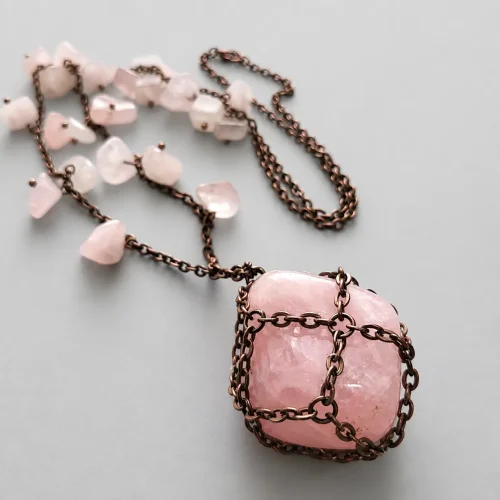
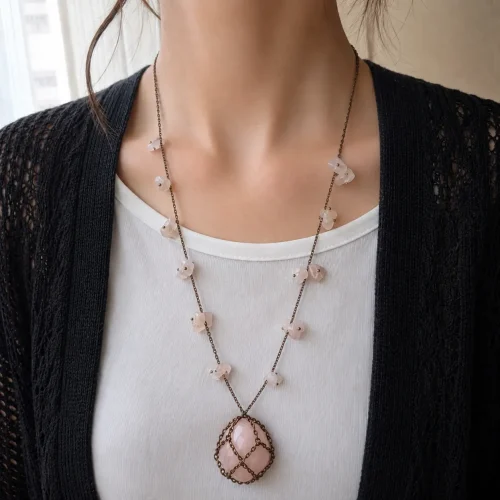
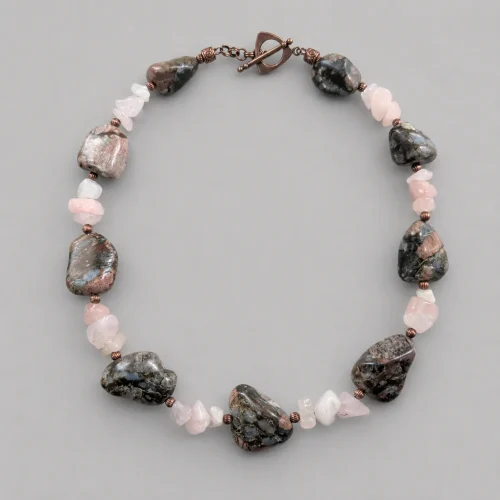
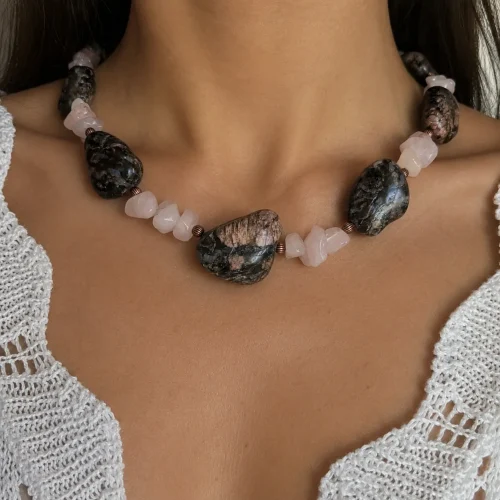
Rose Quartz: The Soft Pink Stone of Love and Comfort
| Property | Details |
|---|---|
| Mineral Family | Quartz |
| Chemical Formula | SiO₂ |
| Typical Colours | Pale pink to deep pink |
| Hardness (Mohs) | 7 |
| Lustre | Vitreous |
| Transparency | Transparent to translucent |
| Special Feature | Colour caused primarily by microscopic fibrous inclusions |
| Main Sources | Brazil, Madagascar, South Africa, India, Namibia, USA |
| Associated Zodiac Signs | Taurus, Libra, Cancer |
| Traditionally Associated With | Love, compassion, emotional healing, self-acceptance |
Few stones feel as instantly comforting as rose quartz. Its gentle, milky-pink glow has made it one of the most recognizable and best-loved crystals in the world, showing up in everything from ancient burial sites to modern nightstands. It doesn’t dazzle the way some gemstones do — instead, it settles into a room, or a pocket, or a palm, with a quiet warmth that people have been drawn to for thousands of years.
Where Rose Quartz Is Found
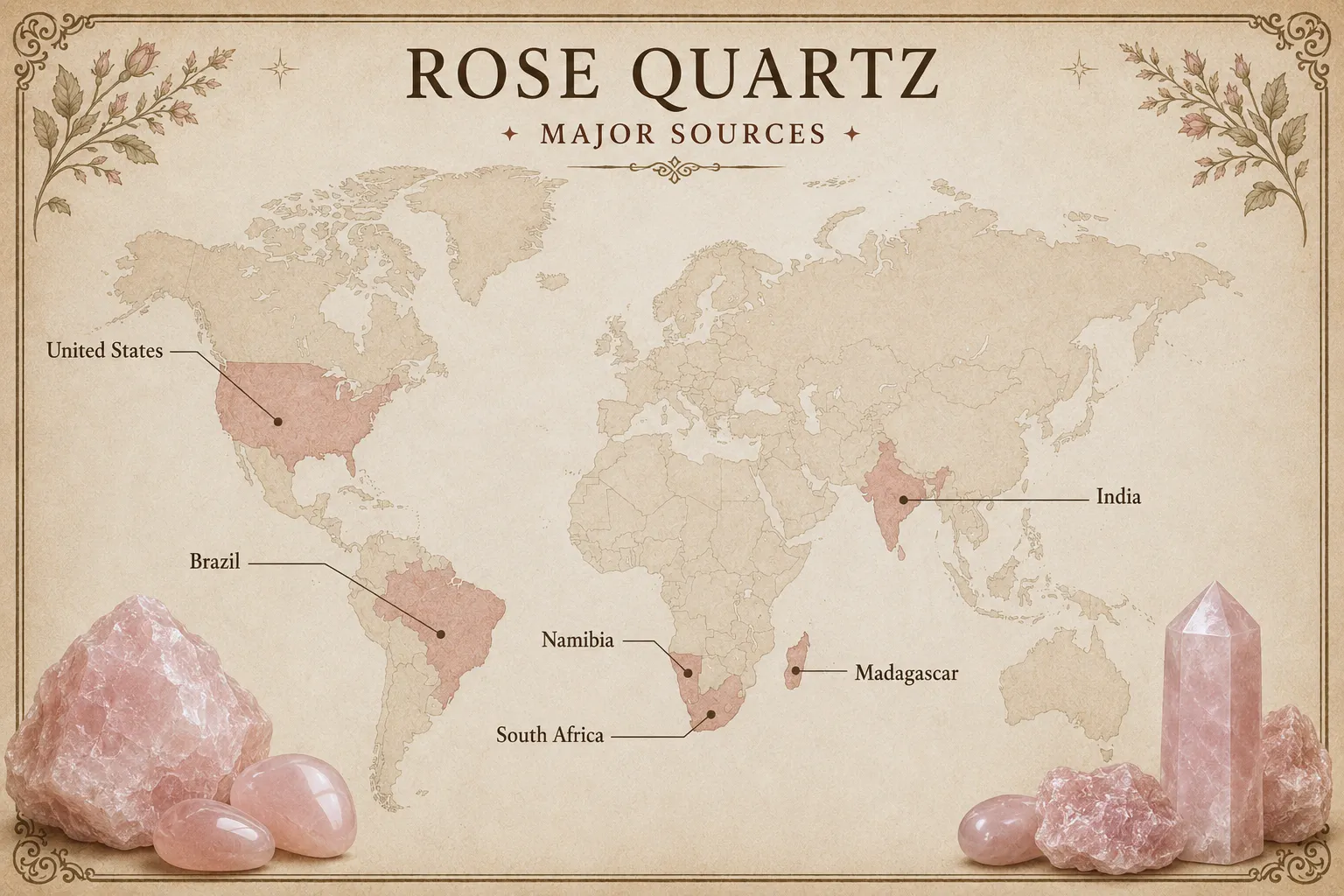
Rose quartz is mined in a number of locations around the world, with a few standout sources:
- Brazil — one of the largest and most significant sources, especially known for large massive deposits
- Madagascar
- South Africa
- India
- United States — notably Maine, South Dakota, and California
- Sweden
- Namibia
Unlike some quartz varieties that grow as well-formed, pointed crystals, rose quartz typically occurs in large, solid, massive formations rather than single defined crystal points — which is part of why it’s so often seen carved into spheres, hearts, and smooth tumbled shapes rather than natural crystal clusters.transformation.s.ction, and much of the material found in jewelry and mineral shops worldwide can be traced back to the region’s iron-rich rock formations.
History of Rose Quartz
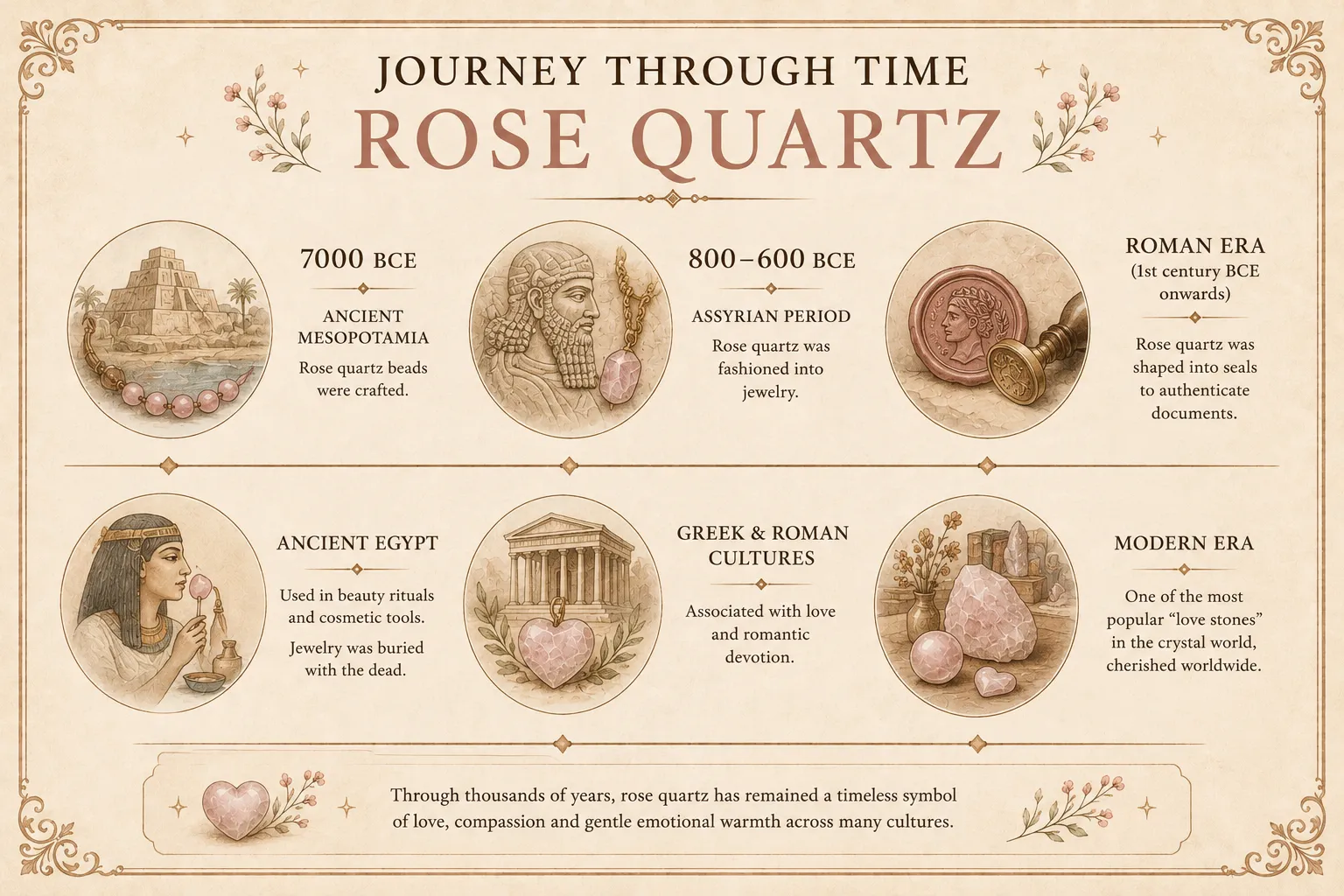
Rose quartz has one of the longest and most emotionally resonant histories of any well-known gemstone. Archaeological evidence shows rose quartz beads were being crafted in ancient Mesopotamia as far back as roughly 7000 BCE, and by 800 to 600 BCE, the Assyrians were fashioning it into jewelry, alongside the Romans, who may have been among the very first to shape it into decorative seals used to authenticate documents.
In ancient Egypt, rose quartz took on a particularly personal role, closely tied to beauty and youthfulness. Egyptian artisans carved it into cosmetic tools and facial treatments, and pieces of rose quartz jewelry were sometimes buried alongside the dead — a sign of how highly it was valued both in daily life and beyond it. Ancient Greek and Roman cultures came to associate the stone strongly with love and romantic connection, a reputation woven into passed-down folk stories that framed the stone’s pink colour as tied to affection and devotion between two people. That association with love and beauty has followed rose quartz through the centuries essentially unbroken, all the way into its modern reputation as one of the most popular “love stones” in the crystal world.
Throughout history, rose quartz has remained one of the few stones whose symbolism has changed remarkably little, continuing to represent affection, compassion and gentle emotional warmth across many cultures.
How Rose Quartz Is Formed
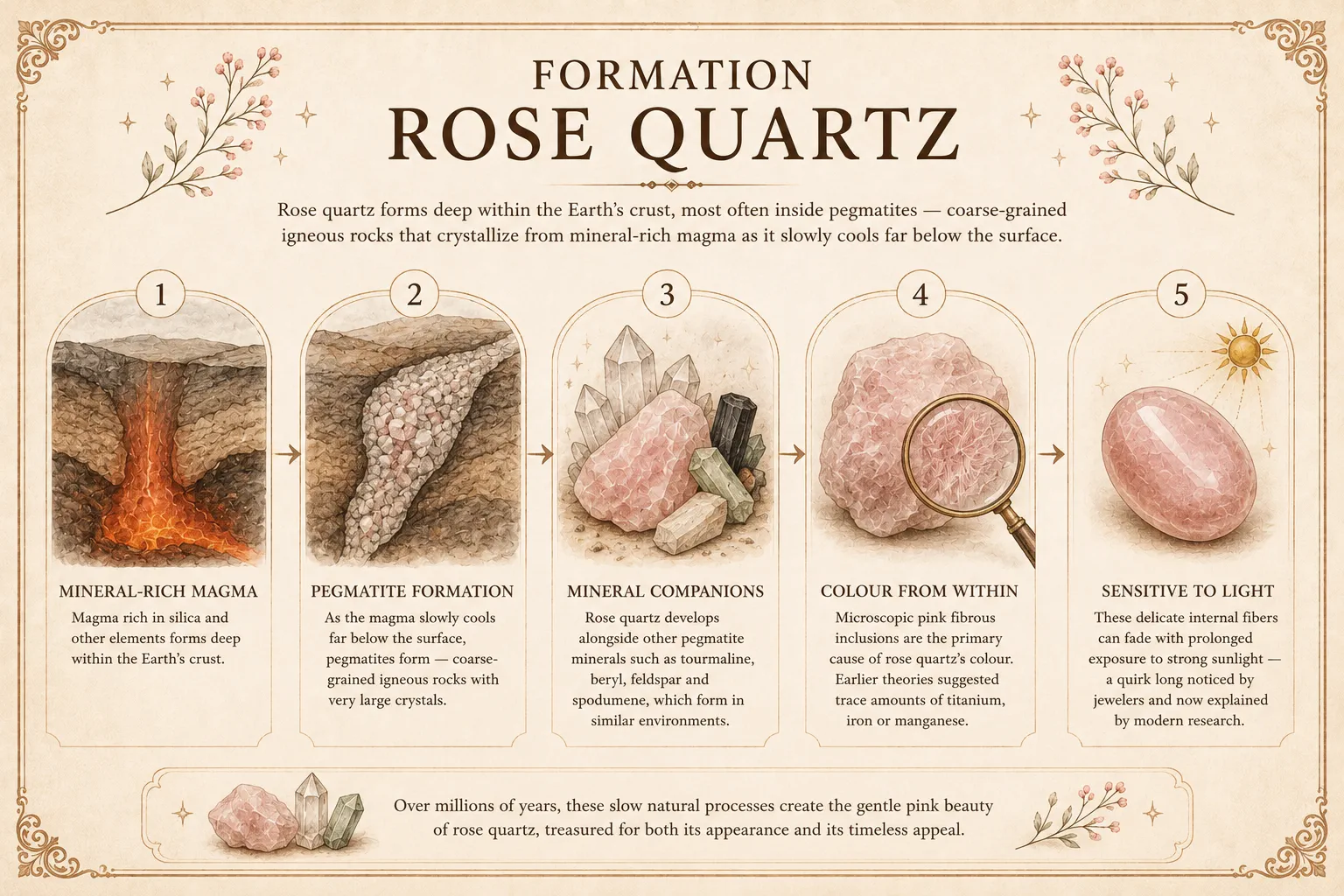
Rose quartz forms deep within the Earth’s crust, most often inside pegmatites — coarse-grained igneous rocks that crystallize from mineral-rich magma as it slowly cools far below the surface. As this magma cools, silicon and oxygen combine to form quartz, and rose quartz frequently develops alongside other pegmatite minerals like tourmaline, beryl, feldspar, and spodumene, which tend to share similar formation environments.
Earlier theories suggested that trace amounts of titanium, iron or manganese were responsible for the colour. Modern research, however, indicates that microscopic pink fibrous inclusions are the primary cause. This discovery also helped explain a quirk long noticed by jewelers — rose quartz’s colour can fade slightly with prolonged exposure to strong sunlight, since these delicate internal fibers are sensitive to light.
Varieties of Rose Quartz
Rose quartz is generally recognised by its delicate pink colour, but it appears in several forms that differ in colour intensity, crystal habit and optical effects. Unlike stones such as agate or jasper, rose quartz has relatively few true varieties.
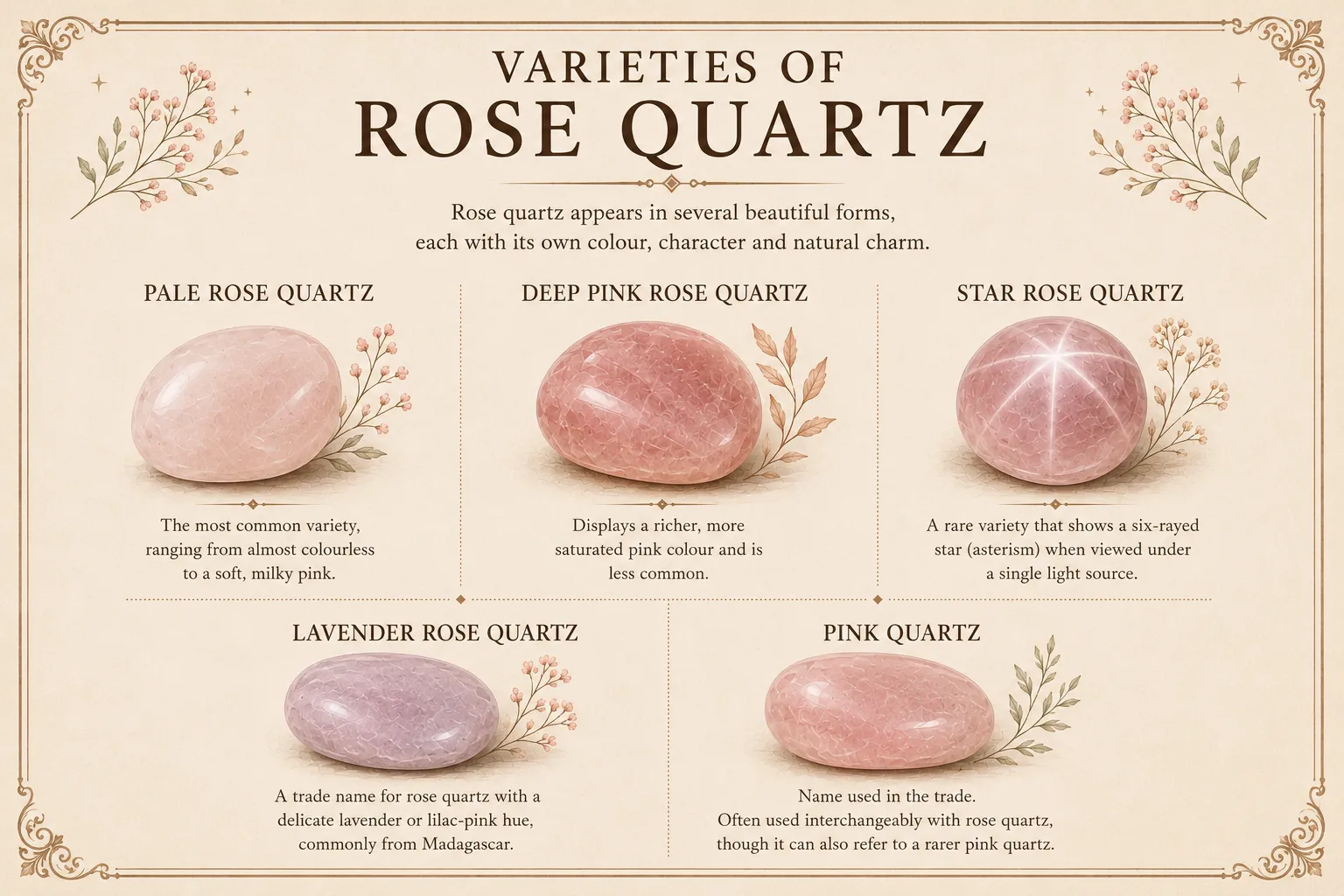
- Pale Rose Quartz — the most common form, ranging from almost colourless to a soft, milky pink. It is widely used for jewellery, carvings and decorative objects.
- Deep Pink Rose Quartz — displaying a richer, more saturated pink colour, this material is less common and often considered especially desirable for jewellery.
- Star Rose Quartz — a rare variety that displays a six-rayed star (asterism) when cut as a cabochon and viewed under a single light source. The effect is caused by microscopic fibrous inclusions within the stone.
Trade Names
Some names encountered in the gemstone trade describe colour variations rather than distinct mineral varieties.
- Lavender Rose Quartz — a trade name used for rose quartz with a subtle lavender or lilac-pink hue, most commonly associated with material from Madagascar.
- Pink Quartz — this name is sometimes used interchangeably with rose quartz, but in mineralogy it may also refer to a separate, much rarer pink quartz that forms distinct crystals. Because the terminology can be confusing, most jewellery sold as “pink quartz” is simply rose quartz.
Although these variations differ in appearance, they all belong to the quartz mineral family and share the same chemical composition (SiO₂). Their differences arise from colour intensity, internal structure and the presence of microscopic mineral inclusions rather than from changes in mineral composition.
| Variety | Description |
|---|---|
| Pale Rose Quartz | The most common variety, ranging from almost colourless to a soft, milky pink. Widely used for jewellery, carvings and decorative objects. |
| Deep Pink Rose Quartz | A richer, more saturated pink variety that is less common and often especially valued for jewellery. |
| Star Rose Quartz | A rare variety displaying a six-rayed star (asterism) when cut as a cabochon and viewed under a single light source. The effect is produced by microscopic fibrous inclusions within the quartz. |
| Lavender Rose Quartz (Trade name) | A trade name for rose quartz with a delicate lavender or lilac-pink hue, most commonly associated with material from Madagascar. |
| Pink Quartz (Name used in the trade) | Often used interchangeably with rose quartz in the jewellery trade. In mineralogy, however, “pink quartz” may also refer to a much rarer pink quartz that forms distinct crystals, making the name potentially confusing. |
Did You Know?
Unlike clear quartz or amethyst, which often grow as sharp, well-defined crystal points, rose quartz usually forms in large, solid masses — meaning a naturally pointed rose quartz crystal is actually a rare and sought-after find.
For over a century, mineralogists believed rose quartz’s colour came only from trace metals like titanium or manganese — it wasn’t until modern spectroscopy that scientists discovered thread-like pink mineral fibers woven through the crystal are largely responsible for the colour instead.
Those same microscopic fibers are light-sensitive, which is why rose quartz can gradually fade if left in strong, direct sunlight for long periods.
Traditional Beliefs and Folklore
Rose quartz’s reputation as a stone of love and comfort is remarkably old and remarkably consistent. Ancient civilizations across Mesopotamia, Egypt, Greece, and Rome all independently gravitated toward the stone for similar reasons — its soft colour and gentle appearance made it a natural symbol for affection, beauty, and emotional warmth. Egyptian tradition connected it closely to youthfulness and lasting beauty, while Greek and Roman folklore leaned into its ties to romantic love, weaving the stone into stories about devotion between lovers. By the Middle Ages, healers across parts of Europe were incorporating rose quartz into remedies meant to soothe emotional distress, a role that has echoed forward into its enduring modern nickname: the “stone of unconditional love.”
Astrological Associations
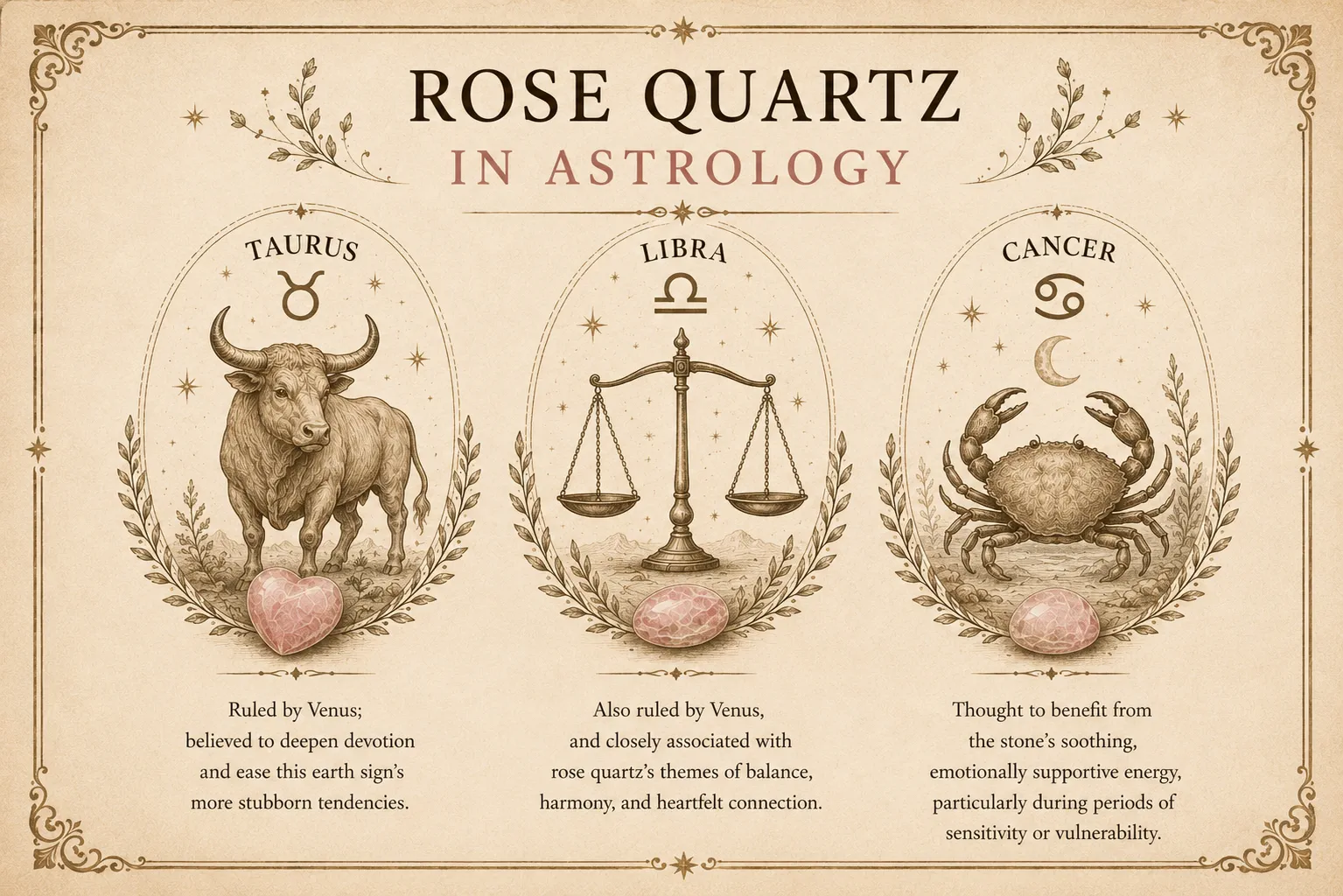
Rose quartz is one of the most broadly embraced stones in crystal astrology, closely tied to the planet Venus and its themes of love, beauty, and harmony:
- Taurus — widely considered rose quartz’s strongest match, since both are ruled by Venus; believed to deepen devotion and ease this earth sign’s more stubborn tendencies
- Libra — also ruled by Venus, and closely associated with rose quartz’s themes of balance, harmony, and heartfelt connection
- Cancer — thought to benefit from the stone’s soothing, emotionally supportive energy, particularly during periods of sensitivity or vulnerability
Beyond these three, rose quartz is often described as compatible with virtually every sign, since its themes of love, self-compassion, and emotional healing are considered universally relevant, regardless of one’s individual chart.
Healing and Meditation Practices
In crystal healing traditions, rose quartz is regarded as a stone of love, compassion and emotional balance. The following practices are based on traditional beliefs and are not supported by scientific evidence.
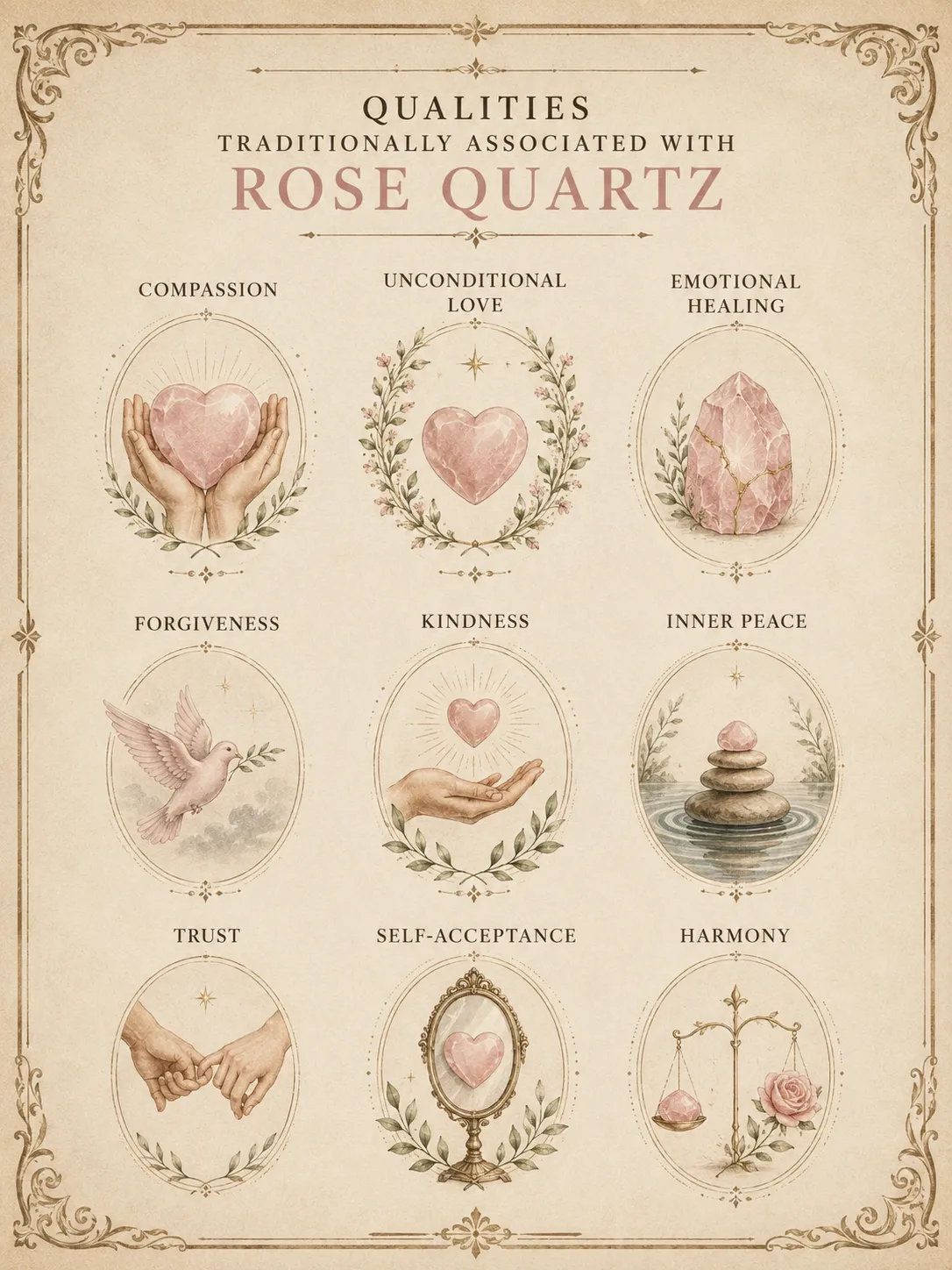
- Heart Chakra work — rose quartz is most closely associated with the Heart Chakra and is traditionally used to encourage love, compassion and emotional openness.
- Meditation — many people hold rose quartz over the heart or in the palm during meditation, believing it encourages calm reflection, inner peace and gentle emotional healing.
- Self-love and self-acceptance — often carried or worn as jewellery as a reminder to practise kindness towards oneself and to nurture confidence, patience and self-worth.
- Emotional healing — traditionally used to help release feelings of hurt, resentment or grief, and to encourage forgiveness, understanding and emotional renewal.
- Relationships and friendship — rose quartz has long been associated with strengthening loving relationships, deepening friendships and encouraging empathy, trust and open communication.
- Peaceful surroundings — many people place rose quartz in bedrooms or living spaces, believing it helps create a calm, comforting atmosphere and promotes harmony within the home.
- Sleep and relaxation — some traditions suggest keeping rose quartz beside the bed to encourage restful sleep and a sense of comfort at the end of the day.
Although these practices remain popular among crystal enthusiasts, there is no scientific evidence that rose quartz possesses healing or metaphysical properties. Today, many people simply appreciate it as a beautiful natural gemstone whose soft colour serves as a reminder of kindness, compassion and emotional well-being.
(Note: these are traditional folk beliefs and metaphysical claims, not scientifically established properties.)
Caring for Rose Quartz Jewellery
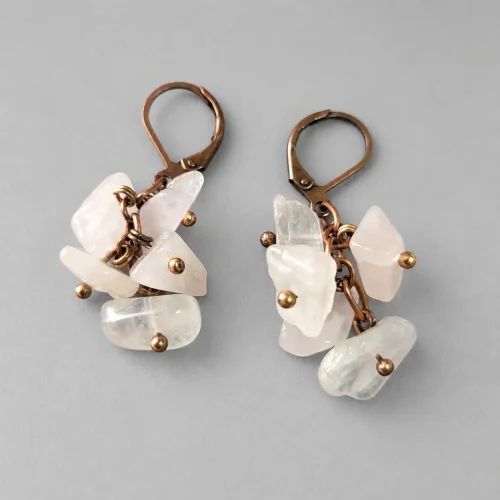
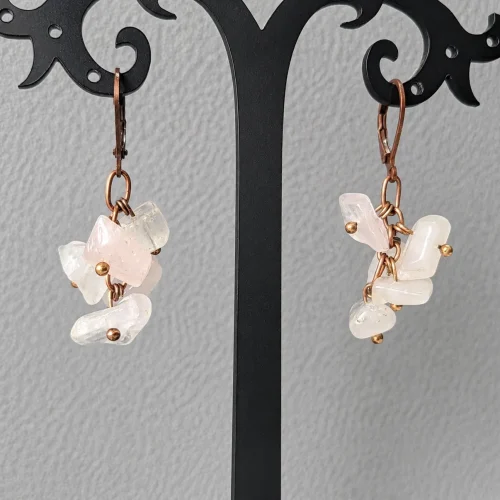
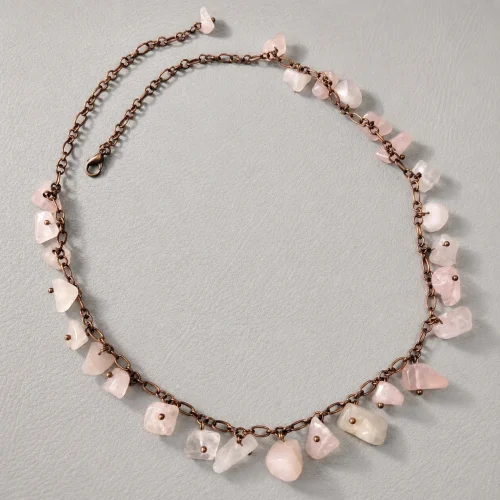
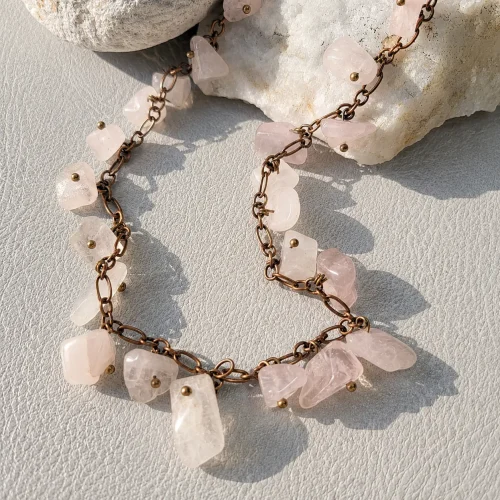
Although rose quartz is a relatively durable gemstone with a hardness of 7 on the Mohs scale, it can still be scratched by harder minerals or damaged by sharp knocks. With a little care, your jewellery can retain its soft beauty for many years.
- Store rose quartz jewellery separately from harder gemstones, such as sapphires, topaz or diamonds, to help prevent scratches.
- Avoid prolonged exposure to direct sunlight, as the delicate pink colour of some rose quartz may gradually fade over time.
- Remove jewellery before swimming, exercising or using household cleaning products, as chemicals and impacts can damage both the stone and its settings.
- Clean gently with lukewarm water, a mild soap solution and a soft cloth or brush. Rinse thoroughly and dry before storing.
- Avoid ultrasonic cleaners and steam cleaning, particularly for carved pieces or jewellery containing fractures or delicate settings.
With its gentle colour and timeless appeal, rose quartz jewellery can remain a cherished companion for many years when treated with a little everyday care.
A Moment of Wonder
Rose quartz is one of the quietest gemstones in appearance, yet few stones have inspired such enduring affection. Formed deep within ancient pegmatites, shaped by remarkable microscopic mineral fibres and treasured by countless generations, it reminds us that some of nature’s greatest wonders are not the brightest or the rarest, but the ones that have quietly accompanied humanity for thousands of years.